
Circular Design in Packaging
Redesigning tapes, cushioning, and wrapping materials to reduce plastic and enable real recycling
Packaging is often treated as a logistics detail.
At UJEN, we treat it as part of circular design.
From adhesive tapes to cushioning layers and individual wrapping, packaging materials directly affect whether a product’s lifecycle can truly return to the system after delivery. Traditional plastic-based solutions offer convenience, but they also introduce long-term waste that disrupts recycling streams.
To reduce environmental burden at the source, UJEN has systematically transitioned from plastic packaging materials to paper-based, recyclable alternatives. These changes require higher material costs and additional labor, but they allow packaging to re-enter the recycling loop more cleanly and responsibly.
Circular design is not a statement. It is a series of decisions—made repeatedly, at every small interface between product, process, and planet.
Packaging as Part of Circular Design
In a circular economy, materials are designed not only for performance, but for their ability to return safely into the system after use. Packaging plays a critical role in this loop, yet it is often overlooked.
At UJEN, we integrate packaging into our circular design thinking, ensuring that protection, recyclability, and system compatibility are considered together rather than separately.
From Plastic Tape to Kraft Paper Tape
Conventional OPP and PVC tapes secure cartons effectively, but they interfere with paper recycling and introduce unnecessary plastic into the waste stream.
We have replaced traditional plastic tapes with kraft paper tape. While acrylic adhesive is still required at this stage, the majority of the material is paper-based, significantly reducing plastic usage and improving carton recyclability.
This transition simplifies downstream recycling and aligns packaging with a paper-dominant material flow.
Replacing Plastic Cushioning with Honeycomb Paper
Foam and synthetic cushioning materials have long been used to prevent damage during transport, but they are difficult to recycle and persist in the environment.
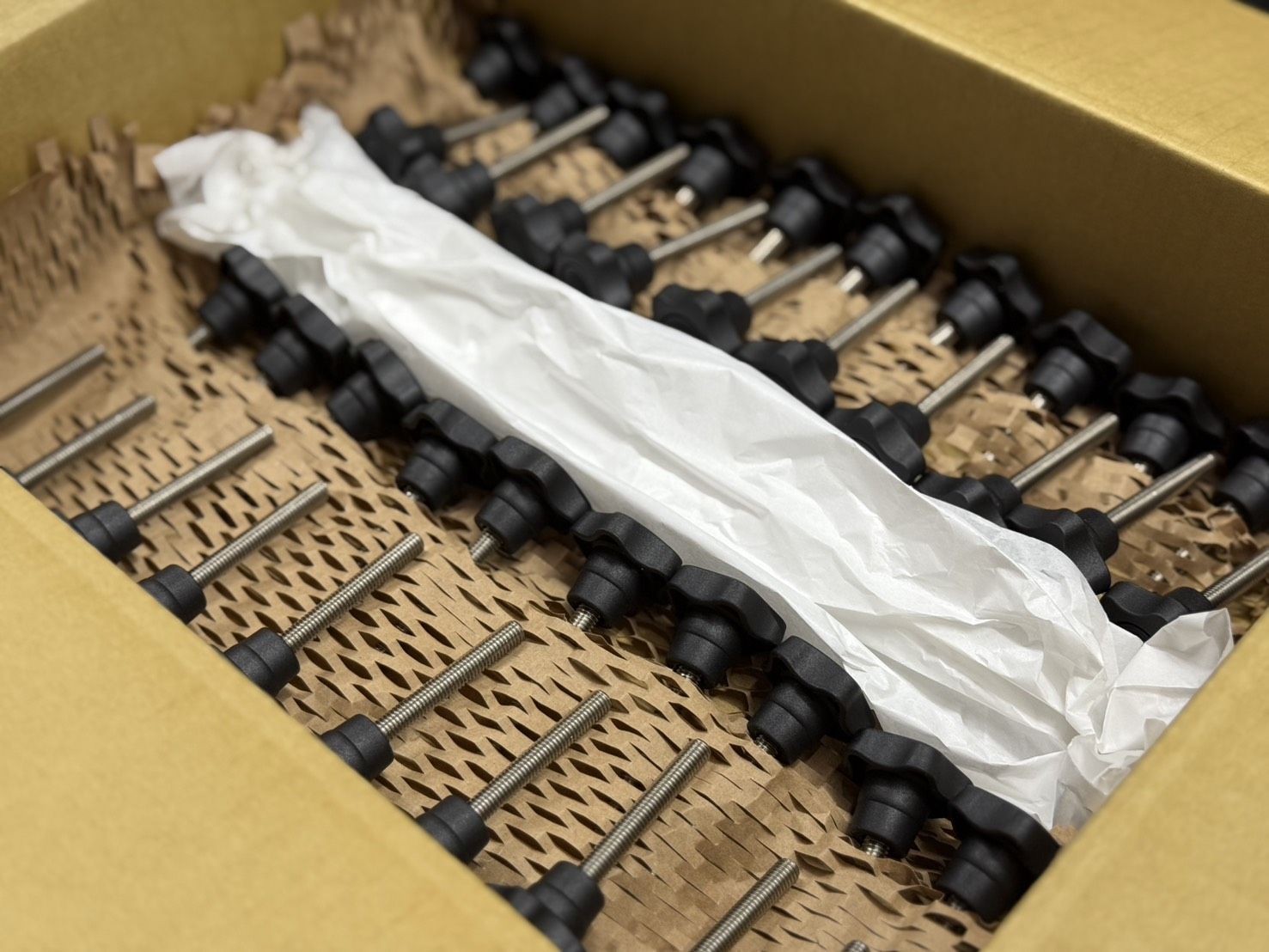
UJEN has replaced these materials with honeycomb paper structures. Made entirely from paper fiber, honeycomb paper provides effective shock absorption while remaining fully recyclable.
Protection is preserved, while circularity is restored.
Individual Product Wrapping Using 100% Recyclable Paper
Previously, individual plastic bags were used to prevent surface damage and collision between components.
Today, we use 100% recyclable paper for individual packaging. This approach achieves the same protective function while eliminating single-use plastic from the process.
Although paper-based wrapping increases labor and material costs, it ensures that every layer of packaging can re-enter the recycling system without separation.
Designing for Responsibility, Not Convenience
These packaging transitions increase operational complexity and cost. However, circular design requires accepting responsibility beyond immediate efficiency.
At UJEN, we believe the true cost is not in better materials or additional labor, but in ignoring the long-term impact of disposable convenience.
Packaging should protect products—and leave the smallest possible footprint behind.